
How We Train Around Injuries (Without Stopping Progress)
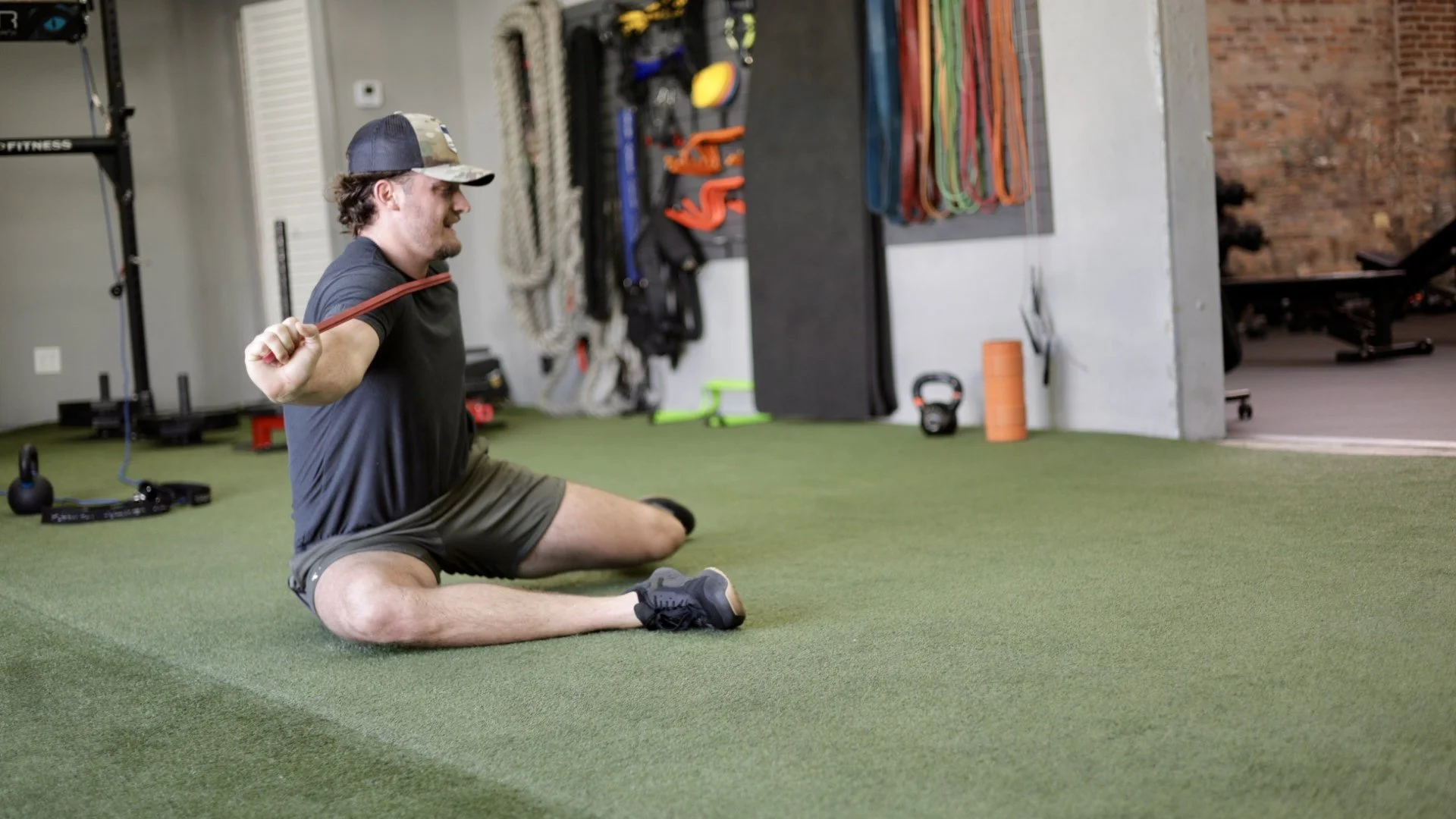
At Perform24, one of the most common things we hear is:
“I want to train… but I’ve got a bad shoulder.”
or
“My knee hurts every time I run so I quit.”
or
“I used to train a lot but now I have a bad back.”
And most people assume the answer is to stop training.
That’s almost never the answer.
Most Injuries Don’t Need Rest—They Need Better Training
Let’s be clear about something:
There are absolutely injuries that require medical attention, physical therapy, or more advanced care. We work with great therapists and refer out when it’s needed.
But most of what people are dealing with isn’t that.
It’s:
Something that’s been lingering
Something that flares up when they train
Something they’ve “worked around” for months (or years)
And here’s the reality:
Most nagging injuries don’t get better by doing nothing.
Avoiding movement usually makes the problem worse, not better.
If your car had a flat tire, you wouldn’t fix it by parking it and never driving it again. You’d address the issue so it actually works the way it’s supposed to.
Your body is no different.
The goal isn’t to shut things down.
The goal is to restore function and keep moving forward.
We Don’t Chase Pain. We Fix What’s Causing It
Pain is usually the end result of something else going wrong.
Most of the time it comes back to:
Poor movement patterns
Compensation
Limited mobility in key positions
Weakness where you actually need strength
That’s why we don’t jump straight into loading exercises.
We clean up how you move first.
If a movement isn’t controlled, adding weight just reinforces the problem. You’re just getting stronger at doing it wrong.
We call this earning the weight.
We Train the Whole Body, Not Just the “Injury”
When something hurts, the instinct is to isolate it or avoid it.
That usually backfires.
The body adapts quickly. If one area isn’t doing its job, something else picks up the slack. That’s where compensation starts and where more issues show up.
Instead of isolating, we train the full body.
This allows us to:
Keep training intensity high
Take pressure off the irritated area
Reinforce better movement patterns
If your shoulder hurts, we are going to move it. And then we will give it some rest while we work something else. And then we will circle back to your shoulder and give it some more attention.
This back-and-forth style of training allows us to keep your entire system in motion while addressing a sticky area without over working it.
And most importantly it lets you keep making global progress in all your major movement patterns.
If you want to deep dive, I have an entire article on why we use total body training routines.
Mobility Isn’t Separate From Strength
A lot of people treat mobility and strength like two different things.
They’re not.
Mobility without strength doesn’t stick.
Strength without mobility creates limitations.
So we build both into the same session.
You’ll see:
Mobility movements paired with strength work
Controlled ranges of motion
Slower, more intentional reps
The goal is simple:
Move better → get stronger → reduce the stress on the joints and tissues
We Address Tissue Quality and Recovery
If your tissue isn’t in a good place, the movement won’t be either.
That’s why we consistently include:
Foam rolling
Targeted soft tissue work (everyone hates the peanut)
Dedicated regeneration (Regen) sessions when needed
We also use tools like sauna and cold plunge to support recovery.
Not as a replacement for training—but to help you handle more training consistently.
Coaching Is What Ties It All Together
This is where most people get stuck.
They either:
Avoid movements completely
Or push through things without understanding what’s actually going on
Neither works long term.
A coach helps you:
Adjust movements without shutting everything down
Know what to push and what to scale
Stay training while improving the issue
Training without that guidance is one of the fastest ways to stay stuck—or make things worse.
Progress Comes From Consistency, Not Avoidance
You don’t fix this by taking two weeks off and hoping it disappears.
You fix it by stacking good sessions.
Not perfect sessions.
Not pain-free sessions.
Good, consistent, high intent sessions.
That’s what leads to:
Better movement
More strength
Less irritation over time
Avoidance delays progress.
Training (the right way) drives it.
An injury doesn’t mean you need to stop.
It means you need to train differently.
Done right, you don’t just come back to baseline.
You come back beyond it.
Train hard.
Live full.
If You’re Dealing With Something Right Now
If something’s been bothering you and you’re not sure what to do next, we can help.
We’ll show you:
What’s likely causing the issue
How to keep training without making it worse
How to make progress and put this behind you